What Is an IMEI Number?
An IMEI is normally a 15-digit identifier for cellular equipment. Learn what its parts mean, where to find it, and how to use it safely in reports and device checks.
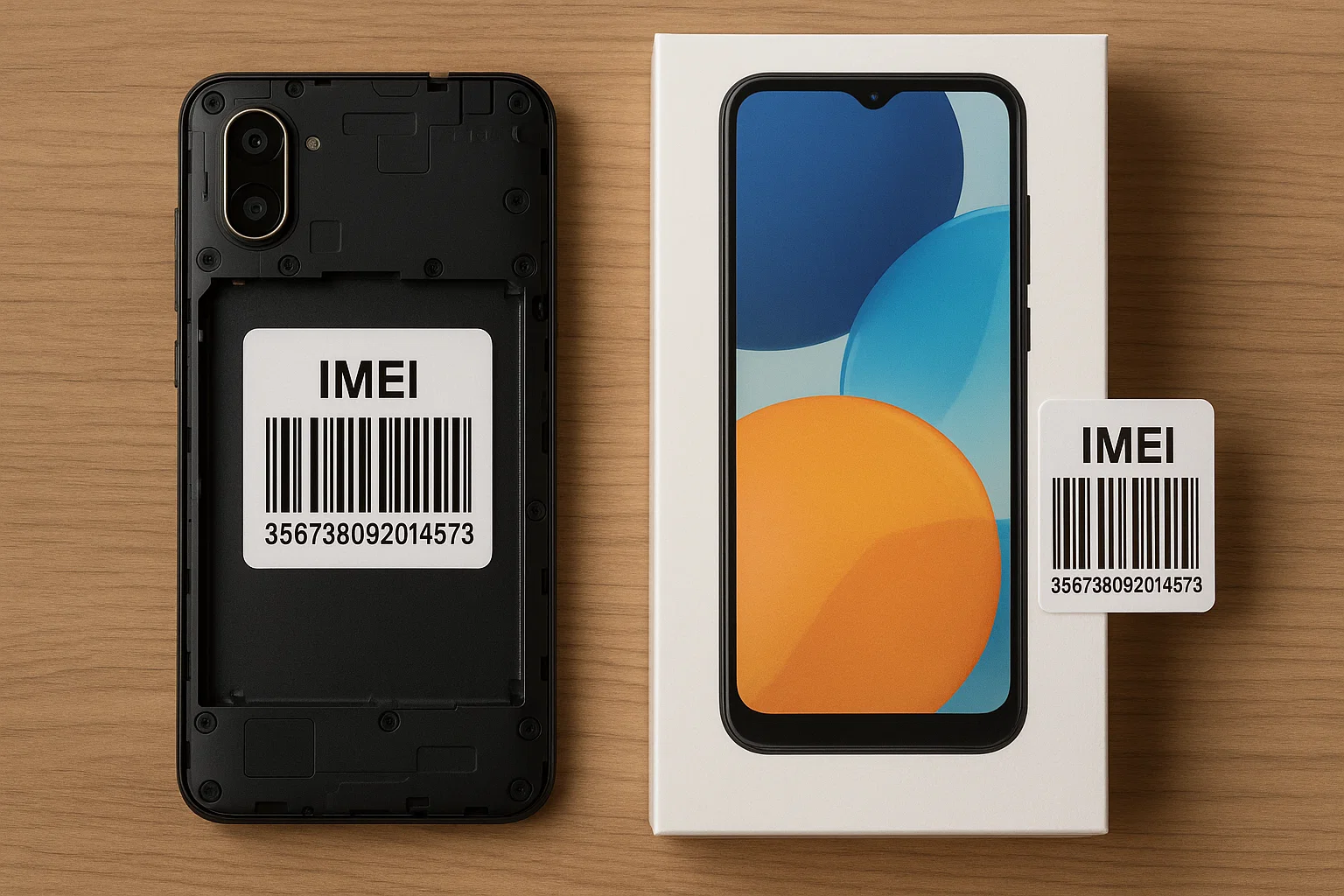
IMEI definition and structure
IMEI stands for International Mobile Equipment Identity and is normally 15 digits long. The first eight digits are the TAC (Type Allocation Code) associated with the device type or model family. The following digits form the individual serial or identifier portion defined by the IMEI format, and the final digit is a check digit calculated with the Luhn algorithm.
Where to find the IMEI
- Dial *#06# to display the 15-digit code on the screen.
- Inspect the retail box under the barcode.
- Remove the battery (if possible) and read the sticker inside the housing.
- Check the Settings > About Phone screen on recent Android and iOS devices.
Why the IMEI matters
The IMEI links a handset to warranty claims, carrier blocklists, and lost-phone alerts. When you submit it to My Phone Finder, a later search for the same IMEI can reveal your note and contact e-mail.
Use the IMEI safely
- Never pay a site that promises instant GPS access from an IMEI. My Phone Finder receives no physical location data.
- Share the IMEI only with recovery partners you trust to prevent phishing attempts.
- Register or check the IMEI with the community lookup.
- Keep the identifier with ownership evidence for carrier or police reports.
Put the number to work
If a device disappears, you can add its 15-digit IMEI with a short factual note and contact email. Before buying a used phone, compare the IMEI in the community lookup, while remembering that this is not an official blacklist.
When a seller offers vague guarantees, point them to the phone authenticity checklist. It explains how IMEI transparency, paperwork, and hardware inspections work together so honest people can finalize deals confidently.
Check an IMEI in our community database
Enter a 15-digit IMEI to look for a matching community-submitted record. This lookup does not provide a phone's live location.